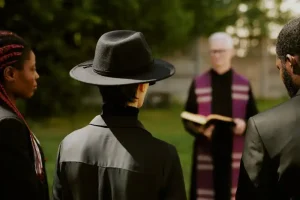
Walk through most major cities, and you see proof. A mosque next to a church. A synagogue near a Hindu temple. Interfaith festivals bring thousands together. This is a religious pluralist society in action. It is not just about different religions existing in the same place. It is about active engagement and mutual respect between traditions.
Many people confuse religious pluralism society with simple tolerance. Tolerance means you accept that others have different beliefs. Pluralism goes further. It means you actively learn about other traditions. You find value in their perspectives. You work together on shared goals. Religious pluralism society transforms coexistence from passive acceptance to dynamic engagement.
This shift matters because it changes everything about how communities function. Conflict decreases when people understand each other. Cooperation increases when shared values surface. Young people develop different perspectives on faith entirely. Understanding religious pluralism society helps explain why the world is changing.
Understanding Religious Pluralism
What Religious Pluralism Actually Means
Religious pluralism society centers on recognition and respect. It starts with acknowledging that multiple legitimate faith traditions exist. This goes beyond merely tolerating their existence. It means accepting that different religious paths offer genuine truth and wisdom to their followers.
The concept emerged from philosophical and theological thinking. Thinkers realized that assuming only one religion held all truth was limiting. Religious pluralism society recognizes that different traditions answer the same deep human questions differently. A Muslim, Christian, Jew, and Hindu might answer questions about purpose and meaning distinctly yet validly.
This approach changes how people interact. Instead of dismissing other faiths as wrong, religious pluralist society encourages genuine curiosity. What can we learn from Buddhist meditation practices? What wisdom does Islamic ethics offer? What spiritual insights come from Indigenous traditions? This openness benefits everyone.
How It Differs From Tolerance
Tolerance stops at acceptance. You tolerate what you disapprove of. You allow others to believe differently while privately thinking they are wrong. This is the minimum level of coexistence. It is necessary but incomplete.
Religious pluralism society goes much deeper. It involves genuine respect for other traditions. You do not just permit their existence. You acknowledge their validity. You recognize they provide meaning and guidance to millions. This shift from tolerance to respect changes relationships fundamentally.
The difference becomes visible in practice. A tolerant community allows a mosque to build. A pluralistic society helps find good locations and celebrates the opening. A tolerant workplace gives religious holidays. A pluralistic workplace actively learns about why holidays matter. These practical differences accumulate into very different community experiences.
Historical Development of the Concept
Religious pluralism society emerged gradually over the decades. In the 1960s and 1970s, scholars like John Hick and Paul Knitter developed pluralist theologies. They argued that multiple religious traditions could coexist as equally valid approaches to the sacred. This was revolutionary thinking for many.
Before this, most religious institutions assumed their tradition was uniquely true. Other religions were incomplete or misguided. Pluralist thinking challenged this exclusivism. It suggested that dogmatic claims to exclusive truth actually harmed community relationships. Religious pluralism society offered a better framework.
The concept developed as societies became more diverse. Migration brought different traditions into contact. Young people had friends from various backgrounds. Intermarriage increased. Living alongside people of different faiths made the old exclusivism feel less tenable. Religious pluralism society reflected lived reality more accurately than older frameworks.
Religious Pluralism in Modern Societies
Demographic Diversity Increases
Cities worldwide show dramatic religious diversity. London has thriving Muslim, Hindu, Sikh, Jewish, Christian, and Buddhist communities. Toronto mirrors this pattern. Singapore created institutions specifically for managing religious pluralism society. These changes happened rapidly over decades.
Migration is the primary driver. Globalization moved people across borders seeking opportunity. Refugees fled conflicts. Students pursued education abroad. Families reunited across continents. This movement created unprecedented religious diversity in historically homogeneous communities. Religious pluralism society became necessary, not optional.
Birth rates and conversion patterns add complexity. Muslim populations grew fastest in Western Europe and North America. Buddhism gained followers among young Westerners. Evangelical Christianity expanded globally. Meanwhile, traditional Christian membership declined in Western nations. These shifts created genuinely diverse religious landscapes everywhere.
Urban Centers Leading Change
Cities concentrate diversity. Rural areas often remain religiously homogeneous. Cities bring different traditions into daily contact. Public transportation puts strangers together. Workplaces employ people from various backgrounds. Schools educate children of multiple faiths. This proximity drives religious pluralism in society faster in cities.
Urban institutions adapt first. City councils develop religious accommodation policies. Police departments train for diverse communities. Hospitals employ chaplains from multiple traditions. Universities create interfaith centers. These institutional changes reflect and reinforce religious pluralism society values. Rural areas follow slowly as diversity increases.
The city’s advantage includes available resources. Urban areas support interfaith organizations financially. They have critical mass for specialized services. A suburban area might not support a mosque, but a city does. This infrastructure development makes religious pluralism society actually function in urban settings.
Generational Attitude Shifts
Young people approach religious identity differently. Older generations often saw religion as inherited and binding. Young people treat it more fluidly. Some abandon religion entirely. Others practice multiple traditions. Many claim a spiritual but not religious identity. This flexibility enables religious pluralism society naturally.
Declining religious affiliation in developed nations changes the dynamics. When fewer people are religiously committed, religious pluralism society becomes easier. People care less about conversion. Intermarriage between traditions increases. Children grow up with multiple family traditions. Religious pluralism society, becoming normal, not controversial.
Education increases openness. Young people learn about world religions in school. They meet people from different traditions as peers. Personal friendships cross religious lines. This exposure creates comfort with religious pluralism society. Older generations without this education sometimes resist pluralism.
Social Impact of Religious Pluralism
Community Building and Connection
Religious pluralism society creates opportunities for community building across traditional lines. Interfaith Thanksgiving dinners bring traditions together. Interfaith councils address community problems jointly. Religious leaders meet regularly to discuss common concerns. These connections reduce suspicion and increase cooperation.
Shared service projects connect people meaningfully. Churches, mosques, and temples working together on homelessness genuinely helps homeless people. It also builds relationships between participants. Someone serving alongside people from another tradition cannot easily dismiss them. Religious pluralism society creates practical cooperation.
Interfaith events celebrate diversity actively. Communities host interfaith festivals where different traditions share food, music, and teaching. Children see their friends’ celebrations treated with respect. Adults learn about traditions unfamiliar to them. These events make a religious pluralist society visible and positive.
Conflict Reduction Potential
Religious pluralism society reduces conflict through understanding. When people understand why a tradition matters to others, empathy grows. Someone learns that a Muslim friend cannot attend a party during Ramadan. Understanding increases rather than breeds resentment. Religious pluralism society provides a context that changes perspectives.
Personal relationships change thinking powerfully. Someone raised to distrust another religion meets a member and likes them. Stereotypes crumble through friendship. When someone knows devout Muslims, Christians, and Hindus personally, sweeping negative claims about any group become harder. Religious pluralism society is built through these connections.
History shows conflict decreases with intergroup contact. Communities with religious pluralism society infrastructure report less religious violence. Dialogue prevents misunderstandings that could escalate. Early communication catches problems before they become serious. Religious pluralism society, functions as a genuine conflict prevention mechanism.
Education and Understanding Growth
Religious pluralism society requires education. Schools teaching about world religions increase understanding. Students learn that Islam shares roots with Christianity and Judaism. They discover Buddhist meditation influenced Western psychology. They find ethical frameworks common across traditions. Education breaks down ignorant stereotypes.
Understanding changes in behavior. People who understand religious dietary laws respect them. They do not push food on observant friends. People who understand prayer times accommodate Muslim colleagues. Religious pluralism works in a society when people actually know what they are accommodating.
Dispelling myths matters greatly. Many people hold false beliefs about other traditions. They think all Muslims are Arabs. They believe all Christians accept all modern values. They assume Buddhism is just meditation. Education corrects these stereotypes. Religious pluralism society depends on accurate knowledge.
Religious Pluralism and Policy
Legal Framework Development
Religious pluralism society requires legal protection. Laws must protect religious minorities from discrimination. Constitutional frameworks ensure religious freedom and equal treatment. These legal structures enable religious pluralism society to function. Without them, minority religions face persecution.
Many countries developed religious accommodation laws. These require employers to accommodate religious practice if possible. They protect religious holidays and practices. They prevent forced participation in another tradition’s practices. Religious pluralism society depends on these legal protections.
The balance between religious freedom and equality remains complex. Religious traditions sometimes want exemptions from laws applying to everyone. A business owner might claim a religious objection to serving certain people. Religious pluralism society requires negotiating these tensions thoughtfully.
Workplace Accommodation Examples
Workplaces practicing religious pluralism in society make specific accommodations. They provide prayer spaces for Muslim employees. They recognize religious holidays for multiple traditions. They allow religious dress in professional settings. They provide religious dietary options in cafeterias. These concrete practices enable religious pluralism society.
Some workplaces hire chaplains from multiple traditions. These chaplains support employees spiritually during crises. They help people practice their faith at work. This support acknowledges that religious practice matters. Religious pluralism in society in workplaces looks like this: practical support.
Educational Institution Response
Universities and schools pioneered religious pluralism in society practices. They employ chaplains from multiple traditions. They provide prayer spaces for various practices. They teach about world religions fairly and accurately. They host interfaith events regularly. Educational institutions model religious pluralism society.
Curriculum inclusion of multiple traditions matters. Students learn world religions in context. They understand why these traditions matter to billions. This education creates the informed citizens’ religious pluralism society needs. Without it, people lack a framework for understanding diversity.
Student organization support varies. Some schools fund interfaith councils. Others support individual religious student groups. Progressive schools actively support religious pluralism in society programming. This institutional support enables student-led interfaith work.
Interfaith Dialogue and Cooperation
Successful Partnership Models
Religious councils in cities bring leaders together regularly. These councils discuss community problems. They coordinate responses to crises. They plan interfaith events. They provide structure for ongoing conversation. Religious pluralism society functions through these partnerships.
Some cities employ interfaith coordinators. These professionals facilitate dialogue between traditions. They resolve conflicts before they escalate. They organize joint community service. They teach religious pluralism and society skills. Professional coordination increases effectiveness significantly.
Joint Community Service
Interfaith organizations coordinate community service effectively. Food banks staffed by volunteers from multiple traditions. Homeless shelters receive support from various faith communities. Disaster relief coordinated across religious lines. These projects address real community needs while building religious pluralism society.
Some communities have interfaith schools teaching world religions. Some operate interfaith housing where religious minorities live together. Some run interfaith camps for children. These intensive interfaith experiences build religious pluralism society most powerfully.
Shared Values Discovery
Many traditions emphasize justice and compassion. Hindu concepts of karma involve ethical responsibility. Islamic teachings emphasize charity. Christian love ethic matches Buddhist compassion. Buddhist nonviolence aligns with Jain principles. Finding these common values builds religious pluralism society.
Shared spiritual practices sometimes develop. Interfaith meditation groups combine practices. Joint prayer services honor different traditions. Scripture readings from multiple traditions inspire one another. These shared spiritual experiences bond religious pluralist society participants.
Conclusion
Religious pluralism society represents a genuine transformation in how communities approach religious diversity. It moves beyond tolerance toward active engagement and mutual respect. Understanding religious pluralism society requires seeing it as real change, not just an abstract idea.
The challenges are real. Some traditions struggle to accommodate pluralism. Institutional change comes slowly. Theological tensions persist. Yet the movement toward religious pluralism society seems inevitable in diverse societies. Young people embrace it. Urban areas develop it. Global forces push toward it.
The future likely brings a more religiously pluralistic society in developed nations. Whether this strengthens or weakens religion remains debatable. What seems clear is that a religious pluralist society represents how diverse societies will increasingly function. Communities embracing it cooperate better. Conflict decreases. Understanding increases. These practical benefits support the continued development of religious pluralism society worldwide.