Folk magic, often referred to as the magic of the people, weaves a rich tapestry of cultural heritage, spiritual practices, and personal empowerment. As an integral part of many communities, folk magic traditions have been passed down through generations, evolving while maintaining their core essence. In today’s world, these traditions are not only surviving but thriving, as individuals seek to reconnect with their roots and explore alternative spiritual paths. This article delves into the intricacies of folk magic traditions, examining their historical context, key practices, cultural variations, modern applications, and the challenges they face in contemporary society.
Introduction to Folk Magic
Understanding Folk Magic Traditions
Folk magic traditions encompass a diverse range of practices and beliefs that are often rooted in the daily lives and customs of ordinary people. Unlike formalized religions, folk magic is deeply personal and often varies significantly from one culture to another. These traditions are characterized by their practical approach to spirituality, focusing on the everyday needs of individuals and communities. Folk magic often incorporates elements such as herbal remedies, charms, and rituals designed to bring about desired changes in one’s life, whether for health, protection, love, or prosperity. This hands-on approach invites practitioners to engage with their environment, fostering a deep connection to nature and the energies that surround them.
The Historical Context of Folk Magic
The origins of folk magic can be traced back to ancient civilizations, where early humans began to understand and manipulate the natural world around them. Over time, these practices evolved, influenced by cultural exchanges, religious beliefs, and geographical factors. The medieval period saw a significant intertwining of folk magic with superstition and the burgeoning scientific community, leading to varying degrees of acceptance and persecution. In many cases, folk magic was viewed with suspicion, often associated with witchcraft and heresy. Despite this, folk magic persisted, adapting to societal changes and maintaining relevance in the lives of practitioners. Today, folk magic traditions are experiencing a resurgence as people seek to reclaim their cultural heritage and explore spirituality outside mainstream religions.
Key Practices in Folk Magic
Herbalism and Nature-Based Rituals
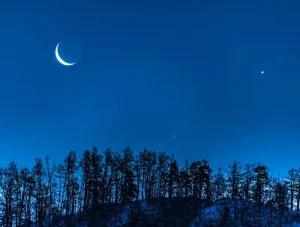
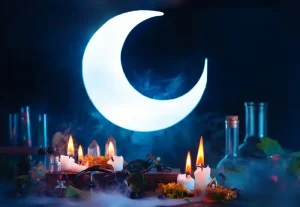
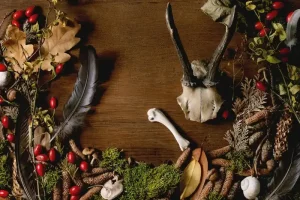
One of the cornerstones of folk magic is herbalism, which involves the use of plants and natural ingredients for healing and ritual purposes. Practitioners often turn to local flora to create remedies, potions, and tinctures, drawing on centuries of knowledge about the medicinal properties of plants. Rituals may include the gathering of herbs during specific lunar phases or seasonal changes, emphasizing the importance of timing and intention in folk magic practices. Nature-based rituals often involve honoring the elements, engaging with the cycles of the moon, and participating in seasonal celebrations that align with agricultural practices. This connection to nature not only serves practical purposes but also fosters a spiritual bond with the environment.
Charms, Talismans, and Amulets
Charms, talismans, and amulets play a significant role in folk magic traditions, serving as tools for protection, luck, and manifestation. These objects are often imbued with specific intentions, crafted by practitioners to serve a particular purpose. For instance, a charm for love may be created using specific colors, symbols, and materials associated with affection and attraction. The process of crafting these items is deeply personal, allowing practitioners to infuse their energy and intentions into the objects. The belief in the power of these items is rooted in the idea that intention, combined with the right materials and rituals, can influence the energies surrounding individuals and their circumstances.
The Role of Ancestors and Spirits
In many folk magic traditions, the connection to ancestors and spirits is paramount. Practitioners often seek guidance, protection, and support from their ancestors, honoring them through rituals, offerings, and remembrance. This ancestral connection reinforces the idea that spiritual wisdom is passed down through generations, and practitioners can tap into this lineage for strength and insight. Additionally, many folk magic traditions involve working with spirits, whether they are nature spirits, deities, or other spiritual entities. Engaging with these energies can provide practitioners with a sense of community, purpose, and connection to the greater cosmos, enriching their magical practices.
Folk Magic Across Cultures
European Folk Magic Traditions
European folk magic traditions are incredibly diverse, influenced by regional customs, historical events, and cultural practices. In the British Isles, for example, practices such as witchcraft, herbalism, and the use of charms have been well-documented. The concept of the “cunning folk,” practitioners who combined folk magic with herbal knowledge to provide healing and protection, showcases the blend of spirituality and practicality that defines these traditions. Similarly, in Eastern Europe, Slavic folk magic incorporates elements of animism and ancestor veneration, with rituals designed to ensure good fortune and protection against malevolent forces. Each region’s unique history contributes to its specific folk magic practices, creating a rich tapestry of beliefs and rituals.
African and Afro-Caribbean Influences
African and Afro-Caribbean folk magic traditions are deeply rooted in cultural heritage, spirituality, and community. Practices such as Vodou, Santería, and Hoodoo blend African spiritual beliefs with elements of Christianity and indigenous customs. These traditions often involve the use of rituals, spirit possession, and the crafting of altars or sacred spaces. The use of herbalism, charms, and rituals to invoke the assistance of ancestors and spirits is a common thread throughout these practices. The resilience of these traditions, despite historical oppression and marginalization, speaks to the enduring power of cultural identity and the sacred connection to spirituality.
Indigenous Practices and Beliefs
Indigenous cultures around the world have their own rich folk magic traditions, deeply intertwined with their connection to the land and nature. These practices often involve rituals that honor the spirits of the earth, animals, and plants, reflecting a profound respect for the natural world. Indigenous folk magic frequently emphasizes community involvement, with rituals and practices passed down through generations. The significance of storytelling, songs, and oral traditions plays a crucial role in preserving these practices and ensuring their relevance in contemporary society. As the world becomes increasingly disconnected from nature, the wisdom inherent in indigenous folk magic traditions is being recognized as essential for fostering environmental stewardship and cultural sustainability.
Modern Applications of Folk Magic
Integrating Folk Magic into Contemporary Spirituality
In recent years, there has been a resurgence of interest in folk magic as individuals seek to incorporate these traditions into their modern spiritual practices. Many contemporary practitioners blend folk magic with other spiritual paths, such as Wicca, paganism, or eclectic spirituality. This integration allows for a more personalized approach to spirituality, where individuals can draw on various traditions to create a practice that resonates with them. The accessibility of information through books, online communities, and workshops has facilitated this blending, enabling practitioners to explore and adapt folk magic traditions in ways that feel authentic to them.
Folk Magic in Popular Culture
Folk magic has also found its way into popular culture, influencing literature, film, and social media. The portrayal of witchcraft, spellcasting, and magical practices in movies and TV shows often draws inspiration from folk magic traditions, sparking curiosity and interest in these practices. Social media platforms have become vibrant spaces for sharing folk magic knowledge, where practitioners exchange ideas, rituals, and experiences. This visibility has helped to demystify folk magic, making it more approachable for those unfamiliar with its principles. However, this popularization can also lead to misunderstandings and oversimplifications, highlighting the importance of authentic representation and respect for the traditions involved.
Healing and Personal Empowerment through Folk Magic
Folk magic traditions often emphasize healing and personal empowerment, providing practitioners with tools to navigate life’s challenges. Many individuals turn to folk magic for support in areas such as emotional healing, protection, and manifesting their desires. The act of engaging with rituals, spells, and herbal remedies can foster a sense of agency and self-efficacy, encouraging practitioners to take control of their lives and well-being. This personal empowerment aspect resonates strongly in today’s fast-paced world, where individuals seek holistic approaches to mental, emotional, and spiritual health. By reconnecting with these traditions, practitioners can cultivate resilience, confidence, and a deeper understanding of themselves.
Challenges and Misconceptions About Folk Magic
Stereotypes and Misunderstandings
Despite its resurgence, folk magic continues to face stereotypes and misunderstandings. Often conflated with witchcraft or labeled as superstitious, folk magic is sometimes dismissed by those who lack familiarity with its principles. This stigma can discourage individuals from exploring these traditions or sharing their practices openly. Additionally, the portrayal of folk magic in media can perpetuate misconceptions, leading to oversimplified representations that fail to capture the depth and richness of these practices. Addressing these stereotypes and fostering a more nuanced understanding is essential for the continued growth and acceptance of folk magic traditions.
Ethical Considerations in Practice
As interest in folk magic grows, ethical considerations become increasingly important for practitioners. The appropriation of cultural practices without understanding or respect can lead to harm, particularly when traditions are taken out of context. It is crucial for practitioners to approach folk magic with humility, acknowledging the cultural roots and significance of the practices they engage with. Additionally, ethical considerations extend to the use of spells and rituals, especially those that may impact others. Practicing folk magic with intention and respect for the interconnectedness of all beings can help create a more harmonious experience for practitioners and their communities.
Conclusion
Embracing Tradition in a Modern World
Folk magic traditions hold significant relevance in today’s world, providing individuals with tools for connection, healing, and empowerment. As society navigates challenges such as disconnection from nature, mental health issues, and cultural homogenization, the wisdom embedded in folk magic offers pathways to reclaim personal agency and spiritual fulfillment. By embracing these traditions, individuals can forge meaningful connections to their heritage while adapting practices to suit their modern lives. The resilience of folk magic traditions reflects humanity’s enduring quest for meaning, connection, and understanding in an ever-changing world.
Frequently Asked Questions
Is folk magic the same as witchcraft?
While folk magic and witchcraft may share some similarities, they are not the same. Folk magic typically encompasses a wide range of practices and beliefs rooted in cultural traditions, while witchcraft often refers to specific practices involving spellcasting, rituals, and the invocation of spirits. Folk magic can be practiced by anyone, regardless of their spiritual affiliation.
Can anyone practice folk magic?
Yes, anyone can practice folk magic. These traditions are often accessible and adaptable, allowing individuals to integrate them into their own spiritual journeys. However, it is essential to approach these practices with respect and an understanding of their cultural significance.
What are some common folk magic rituals I can try?
Common folk magic rituals include creating herbal sachets for protection, lighting candles with specific intentions, and using crystals for healing. You can also explore seasonal celebrations and rituals that align with the cycles of nature, such as harvest festivals or solstice ceremonies. Engaging with these practices can deepen your connection to the natural world and enhance your spiritual journey.