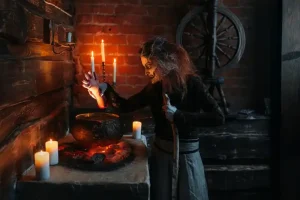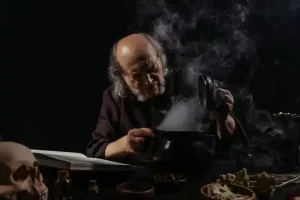
Across centuries and continents, people have turned to simple rituals, charms, blessings, and symbolic practices to seek protection, healing, luck, and guidance. These traditions existed long before modern discussions about witchcraft, ceremonial magic, or contemporary spiritual movements. They were often woven into daily life rather than practiced in secret temples or formal magical orders. This enduring collection of customs is commonly known as folk magic. Understanding the folk magic meaning requires looking beyond popular portrayals found in movies and novels. Folk magic is deeply connected to culture, community, family traditions, and practical needs. It reflects how ordinary people interacted with the unseen world using methods passed down through generations. While many magical systems focus on structured teachings, initiations, or complex philosophies, folk magic often emerges naturally from local beliefs and lived experiences. Today, interest in folk magic continues to grow as people seek a deeper understanding of ancestral traditions and cultural spirituality. Exploring what folk magic is and how it differs from other magical traditions reveals a fascinating world where history, folklore, religion, and personal practice intersect.
Understanding the Core Meaning of Folk Magic
Folk magic refers to traditional magical practices developed and preserved within communities rather than formal magical organizations. These practices are usually transmitted through families, villages, and cultural groups. They often focus on practical outcomes such as protection from harm, attracting prosperity, improving health, ensuring successful harvests, or strengthening relationships. Unlike systems that rely heavily on written texts and structured instruction, folk magic frequently survives through oral traditions. Stories, rituals, prayers, charms, and symbolic actions become part of community knowledge and are passed from one generation to the next. Because these traditions evolve over time, folk magic can vary significantly between regions, even when neighboring communities share similar cultural backgrounds. At its heart, folk magic reflects a practical relationship with spiritual forces. Rather than pursuing mystical enlightenment or complex metaphysical goals, practitioners often seek solutions to everyday challenges. This practical nature is one of the defining characteristics that distinguishes folk magic from many other magical traditions.
The Historical Roots of Folk Magic
The origins of folk magic stretch back thousands of years. Long before organized religions established formal doctrines, communities developed spiritual practices to understand and influence the world around them. Ancient people observed natural cycles, honored local spirits, and created rituals intended to promote survival and prosperity. As civilizations expanded, these local traditions often blended with emerging religious systems. In many regions, folk magic absorbed elements from Christianity, Islam, Judaism, pagan religions, and indigenous belief systems. Rather than disappearing, older customs adapted and continued to exist alongside official religious practices.
Throughout Europe, for example, village healers and cunning folk used herbal remedies, protective charms, and blessings. In Africa, spiritual traditions incorporated ancestral reverence and ritual practices that later influenced magical systems throughout the Americas. Indigenous communities across Asia, Oceania, and the Americas preserved local forms of spiritual practice deeply connected to land, ancestors, and community identity. The survival of folk magic demonstrates its remarkable adaptability. Despite social changes, religious reforms, and modernization, many customs continue to be practiced today in forms both traditional and contemporary.
Cultural Foundations That Shape Folk Magic
One of the most fascinating aspects of folk magic is its connection to cultural identity. Every region develops unique practices influenced by local history, environment, beliefs, and social structures.
Regional Traditions and Local Wisdom
Different communities create magical practices that reflect their specific circumstances. Coastal populations may develop rituals related to fishing, weather, and sea spirits. Agricultural societies often focus on fertility, harvest success, and protection of livestock. Mountain communities may incorporate local legends and sacred landscapes into their spiritual customs. Because folk magic evolves within a specific cultural setting, its symbols and rituals often carry meanings that outsiders may not immediately understand. A simple object such as a coin, ribbon, herb, or piece of bread can hold profound symbolic significance within a particular tradition.
Family Lineages and Generational Knowledge
Many folk magic practices survive through family transmission. Grandparents teach children protective prayers, healing remedies, and symbolic customs without necessarily labeling them as magic. Over time, these practices become woven into everyday life. This generational transmission creates a sense of continuity and belonging. Practitioners often feel connected not only to spiritual forces but also to ancestors who preserved the tradition before them. This ancestral connection remains a central feature of many folk magic systems around the world.
Everyday Purposes of Folk Magic
Unlike some magical traditions that emphasize spiritual transformation or ceremonial achievement, folk magic typically addresses practical concerns. People historically relied on these practices to navigate life’s uncertainties and challenges. Protection remains one of the most common goals. Protective charms, blessed objects, ritual gestures, and spoken prayers have been used to ward off illness, misfortune, and harmful influences. Many cultures maintain traditions involving protective symbols placed in homes, carried on the body, or displayed near entrances.
Healing is another important aspect. Folk healers often combine herbal knowledge, spiritual prayers, symbolic actions, and community wisdom to support physical and emotional well-being. While modern medicine has transformed healthcare, many traditional healing practices continue to hold cultural significance. Prosperity and good fortune also play major roles. Rituals designed to attract abundance, secure employment, improve business success, or ensure productive harvests appear across numerous folk traditions. These practices often reflect a desire to establish harmony between human effort and spiritual support. Love, relationships, fertility, and family well-being frequently appear as themes as well. Folk magic provides symbolic frameworks through which communities address hopes, fears, and aspirations related to human connection.
How Folk Magic Differs From Ceremonial Magic
One of the clearest distinctions in magical traditions exists between folk magic and ceremonial magic. Although both involve interactions with spiritual or symbolic forces, their approaches differ significantly.
Complexity Versus Simplicity
Ceremonial magic often relies on elaborate rituals, specialized tools, detailed symbolism, and structured procedures. Practitioners may spend years studying magical texts, correspondences, and philosophical systems before performing advanced rituals. Folk magic generally emphasizes accessibility. A protective charm, spoken blessing, or simple household ritual may require minimal preparation while still carrying deep cultural significance. The effectiveness of the practice often depends more on tradition and intention than on strict ritual complexity.
Formal Study Versus Community Tradition
Ceremonial magical systems frequently involve formal education, initiatory structures, and written teachings. Knowledge is organized into comprehensive frameworks that practitioners study systematically. Folk magic tends to emerge through lived experience. Knowledge is shared through observation, storytelling, family instruction, and community participation. The tradition grows organically rather than through structured curricula.
Philosophical Goals
Many ceremonial systems seek spiritual transformation, enlightenment, or deeper understanding of cosmic principles. Folk magic usually focuses on practical outcomes that directly affect daily life. This practical orientation remains one of its defining characteristics.
Folk Magic and Religious Practice
The relationship between folk magic and religion is often complex. In many cultures, the boundary between religious devotion and magical practice is not clearly defined.
Blending Faith and Tradition
Throughout history, communities have integrated religious prayers, sacred symbols, and spiritual figures into folk magical practices. A blessing may function simultaneously as a religious act and a protective ritual. Sacred texts, icons, candles, and devotional objects often appear within folk traditions. Rather than viewing religion and folk magic as opposing forces, many practitioners see them as complementary aspects of spiritual life. Their practices reflect a worldview in which divine assistance, ancestral support, and symbolic action work together.
Community Acceptance and Skepticism
Attitudes toward folk magic vary widely. Some communities embrace traditional practices as valuable cultural heritage. Others regard certain customs with skepticism or caution. These differing perspectives contribute to ongoing discussions about the role of folk traditions in contemporary society.
The Role of Nature in Folk Magic
Nature occupies a central place within many folk magical systems. Plants, stones, animals, seasonal cycles, and natural landscapes often carry symbolic and spiritual significance. Herbal traditions are particularly important. Communities develop extensive knowledge about local plants and their cultural associations. Certain herbs may be linked with protection, healing, prosperity, or purification. This knowledge reflects generations of observation and experience.
Seasonal celebrations also play a significant role. Changes in weather, agricultural cycles, and astronomical events frequently influence folk magical practices. Rituals performed during specific times of year strengthen connections between human communities and the natural world. Sacred locations such as springs, forests, mountains, and ancient trees often become focal points for spiritual activities. These places serve as reminders of the intimate relationship between folk magic and the environment from which it emerged.
Symbols, Charms, and Everyday Objects
One of the most recognizable features of folk magic is the use of ordinary objects imbued with symbolic meaning. Unlike traditions requiring specialized ceremonial tools, folk magic often transforms everyday items into vehicles of spiritual intention. Coins may symbolize prosperity. Salt can represent purification and protection. Knots may be tied to secure blessings or intentions. Candles, ribbons, herbs, and household items frequently appear in rituals across different cultures. The power of these objects often derives from tradition rather than intrinsic qualities. Communities assign meaning through repeated use, shared beliefs, and cultural narratives. Over time, these symbols become powerful expressions of collective identity and spiritual understanding.
Folk Magic in the Modern World
Although rooted in ancient traditions, folk magic continues to evolve. Contemporary practitioners often seek to reconnect with ancestral heritage, explore cultural history, or develop meaningful spiritual practices grounded in tradition. Modern interest in folk magic has been influenced by growing appreciation for folklore, anthropology, and cultural preservation. People increasingly recognize the value of understanding traditional knowledge systems and their historical contexts.
At the same time, modern practitioners face important questions about authenticity, cultural respect, and adaptation. Engaging with folk traditions responsibly requires understanding their origins and acknowledging the communities that preserved them. Technology and global communication have also transformed access to information. Practices once limited to specific regions can now be studied worldwide. While this creates opportunities for learning, it also highlights the importance of approaching cultural traditions with sensitivity and respect.
Expert Perspective on Studying Folk Magic
From an academic and cultural perspective, folk magic should be approached as a rich expression of human history and community identity. Researchers emphasize the importance of understanding these traditions within their original cultural contexts rather than viewing them through modern stereotypes. A valuable approach involves studying folklore, anthropology, history, and religious studies alongside magical traditions themselves. This broader perspective helps reveal how communities used symbolic practices to navigate uncertainty, build social bonds, and express spiritual values. Experts also encourage respectful engagement with living traditions. Listening to practitioners, learning about cultural histories, and acknowledging ancestral knowledge creates a more meaningful and informed understanding of folk magic. Rather than treating folk practices as curiosities, serious study recognizes them as important components of cultural heritage.
Why Folk Magic Continues to Fascinate People
The enduring appeal of folk magic lies partly in its humanity. These traditions emerged from real communities facing real challenges. They reflect hopes for health, safety, prosperity, and connection. Unlike highly abstract systems, folk magic speaks directly to everyday experiences. People are often drawn to the sense of continuity that folk traditions provide. Learning about ancestral customs creates a bridge between past and present. It offers insight into how earlier generations understood the world and responded to uncertainty. Folk magic also reminds us that spirituality does not always require elaborate institutions or complex doctrines. Meaning can be found in simple rituals, shared stories, and symbolic actions that connect individuals to their communities and environments.
Conclusion
Understanding the folk magic meaning involves recognizing it as a living tapestry of cultural traditions, practical rituals, ancestral wisdom, and community knowledge. Unlike ceremonial systems that emphasize formal study and complex structures, folk magic grows naturally within communities and addresses everyday concerns through accessible practices and symbols.
Its history spans continents and centuries, reflecting humanity’s enduring desire to seek protection, healing, prosperity, and spiritual connection. Whether expressed through family customs, regional traditions, or cultural rituals, folk magic remains a powerful example of how people weave meaning into daily life.
As interest in traditional spirituality continues to grow, studying folk magic offers valuable insights into history, culture, and the diverse ways communities have understood the relationship between the visible and unseen worlds. Its lasting relevance reminds us that some of humanity’s most meaningful traditions are often found not in grand institutions but in the wisdom passed quietly from one generation to the next.