For thousands of years, people have looked to the moon for guidance, timing, and spiritual meaning. Long before modern calendars existed, civilizations tracked lunar cycles to determine planting seasons, religious festivals, and community gatherings. The moon’s changing appearance became deeply connected to ideas about transformation, renewal, and personal growth. Even today, interest in moon-centered spirituality continues to grow across different cultures and belief systems.
The modern rise of wellness movements, mindfulness practices, and spiritual exploration has brought renewed attention to Lunar Rituals Practice. Some people use moon ceremonies to set intentions, reflect on life goals, or reconnect with nature. Others follow traditions passed down through generations. While methods vary, the central idea remains the same: aligning personal reflection and action with the rhythm of the lunar cycle. Understanding how these rituals developed and why they remain relevant offers valuable insight into one of humanity’s oldest spiritual traditions.
The Historical Origins of Lunar Rituals
The relationship between humanity and the moon predates written history. Ancient communities observed lunar patterns because they provided reliable markers for timekeeping and seasonal change. Archaeological evidence suggests that some early civilizations built structures aligned with lunar events, highlighting the moon’s cultural importance.
Ancient Civilizations and Moon Worship
Many societies viewed the moon as a sacred force. In ancient Mesopotamia, lunar deities held prominent positions within religious systems. Ancient Egyptians associated lunar cycles with renewal and divine power. Across Asia, Europe, Africa, and the Americas, moon worship influenced mythology, agricultural planning, and ceremonial life.
These traditions established foundations that continue influencing Lunar Ritual Practice today. Although modern practitioners may not follow ancient belief systems exactly, many rituals still reflect themes of renewal, intuition, fertility, and transformation that originated centuries ago.
Why the Moon Became Spiritually Significant
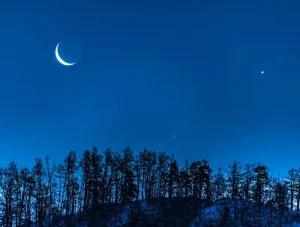
Unlike the sun, which appears relatively constant, the moon visibly changes throughout the month. These changes naturally inspired symbolic interpretations. The waxing moon suggested growth and opportunity, while the waning moon represented release and reflection.
This observable cycle helped people connect natural patterns with human experiences. Life itself follows rhythms of beginning, growth, decline, and renewal. The moon became a powerful symbol of these universal processes, making it central to spiritual traditions worldwide.
Understanding the Lunar Cycle
Before exploring specific rituals, it helps to understand the lunar cycle itself. The moon moves through several phases over approximately 29.5 days. Each phase carries symbolic meanings that influence Lunar Rituals Practice.
New Moon Energy
The new moon occurs when the moon is positioned between Earth and the sun, making it largely invisible from our perspective. Spiritually, this phase is often associated with beginnings, goal setting, and fresh starts.
Many practitioners use the new moon to establish intentions. They may journal, meditate, or create plans for the coming month. The emphasis is typically on envisioning future possibilities rather than evaluating past outcomes.
Waxing Moon Momentum
As the moon becomes increasingly visible, it enters the waxing phase. This period is frequently associated with action, growth, and momentum.
Within Lunar Rituals Practice, the waxing moon encourages individuals to work toward goals established during the new moon. Activities often focus on productivity, confidence building, and taking practical steps toward desired outcomes.
Full Moon Illumination
The full moon is perhaps the most recognized lunar phase. Its brightness has inspired ceremonies, celebrations, and spiritual gatherings throughout history.
Many people view the full moon as a period of heightened awareness. Reflection, gratitude, emotional processing, and community rituals often occur during this phase. Full moon practices frequently emphasize recognizing progress and acknowledging personal achievements.
Waning Moon Reflection
Following the full moon, the visible portion gradually decreases. This waning phase symbolizes release, completion, and evaluation.
Practitioners often use this period to identify habits, thoughts, or circumstances that no longer serve their goals. The waning moon encourages simplification and preparation for the next cycle of growth.
Core Elements of Lunar Rituals Practice
Although methods differ among traditions, several common elements appear repeatedly across various forms of Lunar Rituals Practice.
Intention Setting
Intentions differ from simple goals because they focus on direction rather than specific outcomes. During moon rituals, individuals often clarify what they hope to cultivate in their lives.
This process encourages self awareness. Rather than reacting to daily pressures, participants intentionally consider personal values, priorities, and long term aspirations. Intention setting remains one of the most widely practiced aspects of moon spirituality.
Journaling and Reflection
Writing serves as a powerful tool for self-examination. Many lunar rituals include journaling exercises designed to explore emotions, challenges, and achievements.
Regular reflection creates opportunities for personal growth. Over time, written records help practitioners identify recurring patterns and measure progress across multiple lunar cycles.
Meditation and Mindfulness
Meditation often complements Lunar Rituals Practice by promoting mental clarity and emotional balance. Quiet reflection helps participants focus on intentions and connect with the symbolic meaning of each lunar phase.
Mindfulness practices also encourage individuals to observe thoughts without judgment. This awareness supports more intentional decision-making and deeper personal insight.
Modern Interpretations of Lunar Rituals
Contemporary lunar spirituality differs significantly from many ancient traditions. Modern practitioners often blend psychological, wellness, and spiritual perspectives.
Wellness Culture and Moon Rituals
The wellness industry has played a major role in popularizing Lunar Rituals Practice. Social media platforms frequently feature moon ceremonies, guided meditations, and intention-setting exercises tied to lunar phases.
Critics sometimes argue that commercialization oversimplifies traditional practices. However, supporters note that increased accessibility allows more people to explore mindfulness and self-reflection through lunar symbolism.
Personal Growth Applications
Many modern participants approach lunar rituals as structured opportunities for reflection rather than strictly religious ceremonies. The moon provides a recurring framework for evaluating goals, habits, and emotional well-being.
This practical approach appeals to individuals seeking personal development tools. The ritual itself creates space for intentional thinking, which can support positive behavioral changes over time.
Cultural Variations Around the World
Lunar traditions differ significantly across cultures. Understanding these differences provides valuable context for contemporary practices.
East Asian Lunar Celebrations
Many East Asian cultures maintain strong connections to lunar calendars. Festivals tied to moon phases remain important cultural events, often emphasizing family gatherings, gratitude, and seasonal transitions.
These celebrations demonstrate how lunar observances can strengthen community bonds while preserving cultural heritage.
Indigenous Lunar Traditions
Indigenous communities worldwide developed sophisticated understandings of lunar cycles. Many traditions integrated moon observations with agriculture, hunting practices, storytelling, and spiritual teachings.
These systems often emphasized harmony with natural rhythms rather than attempting to control outcomes. Their ecological perspective continues to influence modern sustainability and spiritual movements.
The Psychology Behind Lunar Rituals
Scientific research has not conclusively demonstrated that moon phases directly influence human behavior in the ways often claimed by popular culture. However, the psychological benefits of ritual itself are well documented.
Why Rituals Create Meaning
Rituals provide structure and consistency. They help individuals transition between life stages, process emotions, and establish personal commitments.
Within Lunar Rituals Practice, recurring ceremonies create opportunities for intentional reflection. The moon serves as an external reminder to pause and reassess priorities, which can support emotional well-being and personal growth.
The Power of Reflection Cycles
Many people rarely stop to evaluate their goals consistently. Monthly lunar rituals create built-in checkpoints that encourage ongoing self-assessment.
This regular review process can improve decision-making by helping individuals recognize patterns and make adjustments before problems become deeply ingrained.
Common Mistakes in Lunar Rituals Practice
While lunar rituals can be meaningful, unrealistic expectations sometimes create disappointment. Some participants assume moon ceremonies will automatically produce desired outcomes without practical action.
Successful Lunar Rituals Practice works best when combined with consistent effort. Intentions provide direction, but meaningful results generally require planning, persistence, and adaptation.
Another common mistake involves excessive dependence on external symbolism. The moon can inspire reflection, but personal responsibility remains essential. Effective rituals support self-awareness rather than replacing accountability.
Building a Personal Lunar Ritual
One of the strengths of Lunar Rituals Practice is its flexibility. Individuals can create routines that align with personal beliefs and lifestyles.
Start With Observation
Before developing elaborate ceremonies, spend time simply observing lunar phases. Notice how the changing moon affects your awareness and routines.
This observational approach creates a stronger connection to the natural cycle and helps identify which practices feel most meaningful.
Keep the Process Sustainable
Complex rituals often become difficult to maintain. Simple practices such as journaling, meditation, gratitude exercises, or intention reviews can be highly effective.
Consistency matters more than complexity. A meaningful five-minute reflection performed regularly often provides greater value than an elaborate ritual practiced only occasionally.
Creating a Monthly Framework
Many practitioners establish a predictable structure. New moon sessions focus on intention setting. Full moon gatherings emphasize reflection and gratitude. Waning moon practices encourage release and simplification.
This framework creates continuity while allowing flexibility for personal adaptation.
Expert Perspectives on Lunar Spirituality
Psychologists, anthropologists, and religious scholars often approach lunar rituals from different perspectives. While interpretations vary, many experts agree that ritual practices can provide psychological and social benefits.
Anthropological research highlights the role of rituals in creating community identity and cultural continuity. Psychological studies suggest that intentional reflection can improve self-awareness and emotional regulation. Spiritual practitioners emphasize personal meaning and connection.
Together, these perspectives suggest that the value of Lunar Rituals Practice may lie less in supernatural claims and more in its ability to encourage mindful living and intentional decision-making.
The Future of Lunar Rituals
Interest in moon-centered spirituality shows little sign of disappearing. As people seek alternatives to increasingly fast-paced lifestyles, lunar rituals offer opportunities to reconnect with slower, cyclical patterns of reflection.
Digital communities continue expanding access to educational resources and guided practices. At the same time, growing awareness of cultural history encourages deeper exploration of traditional lunar knowledge.
The future of Lunar Rituals Practice will likely involve a blend of ancient wisdom, modern psychology, and personal adaptation. This combination allows individuals to engage with lunar symbolism in ways that remain meaningful within contemporary life.
Conclusion
Lunar rituals represent one of humanity’s oldest forms of spiritual expression. From ancient moon worship to modern mindfulness practices, people have long used lunar cycles as tools for reflection, renewal, and personal growth. Although specific methods differ across cultures and traditions, the underlying purpose remains remarkably consistent.
Lunar Rituals Practice continues attracting interest because it offers a structured way to pause, reflect, and reconnect with personal intentions. Whether approached from a spiritual, cultural, or psychological perspective, these rituals encourage greater awareness of both natural cycles and individual development. In a world often defined by constant activity, the simple act of aligning reflection with the rhythm of the moon remains a powerful and enduring practice.